
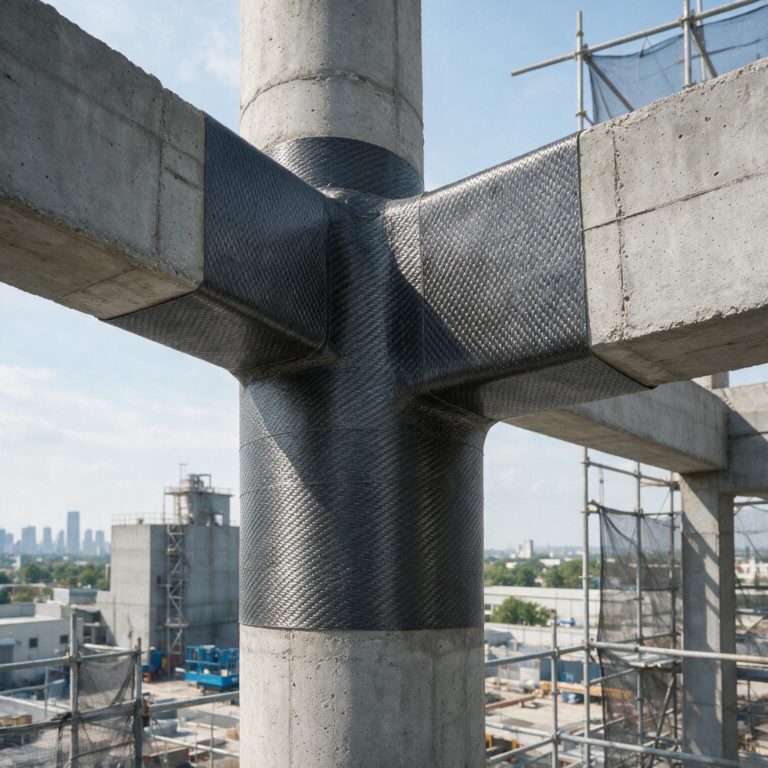
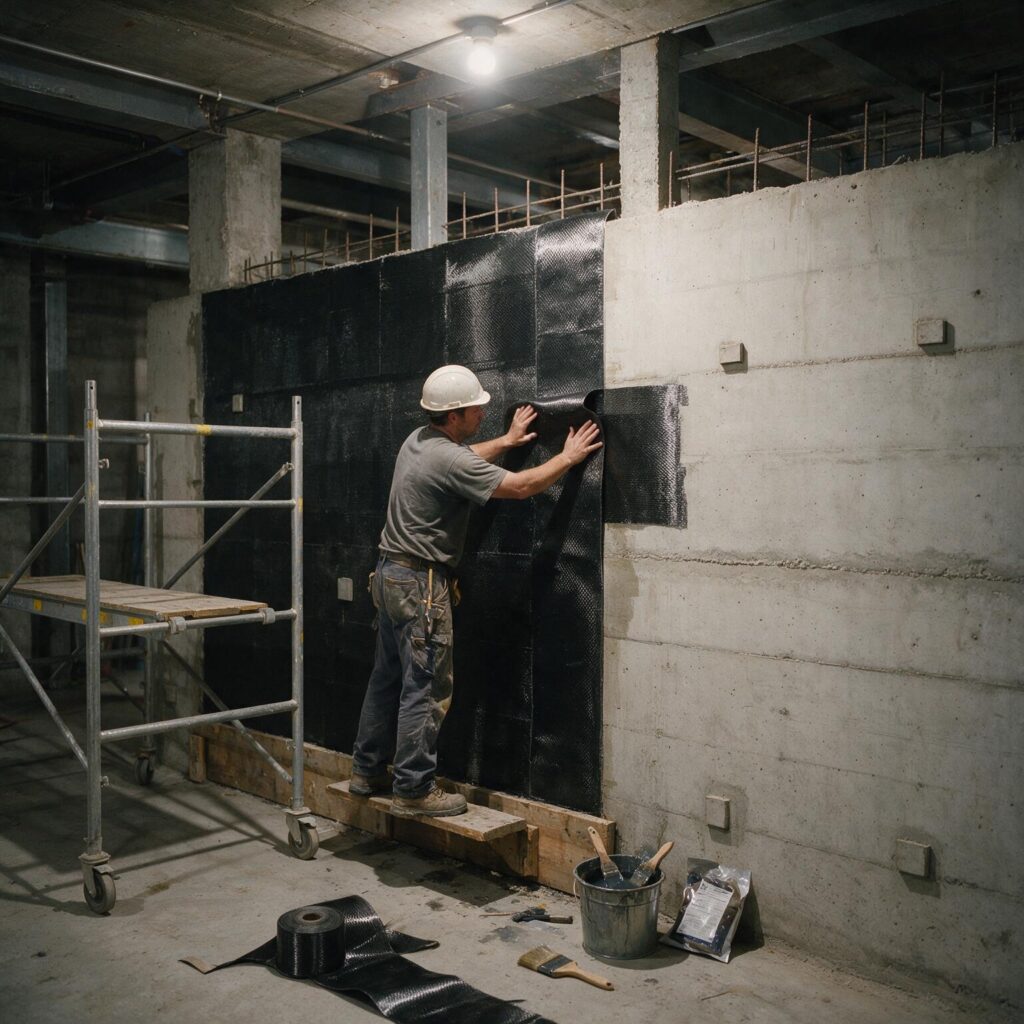
Load capacity increase without added structural weight Steel plate bonding works, but the added weight of steel plates can itself become a design problem, particularly on structures where foundation capacity is already limited. Carbon fiber laminate strips deliver comparable or greater tensile reinforcement at a fraction of the weight, so the retrofit doesn't create a new load problem while solving the original one.
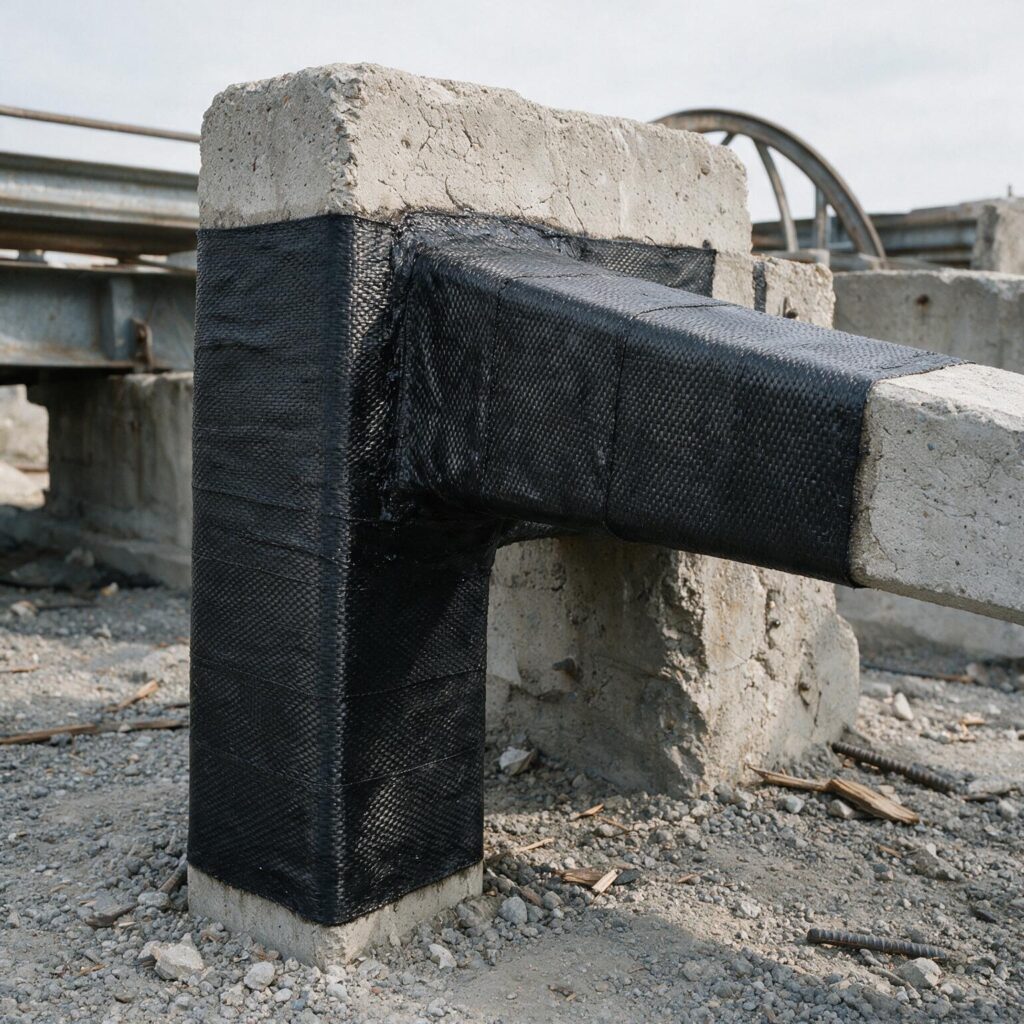
Corrosion resistance for long-term durability Steel reinforcement corrodes, especially in structures exposed to moisture, de-icing salts, or marine environments, and that corrosion is often what triggered the need for retrofit in the first place. Carbon fiber composites do not corrode, which means a CFRP strengthening solution isn't quietly creating the next round of deterioration.
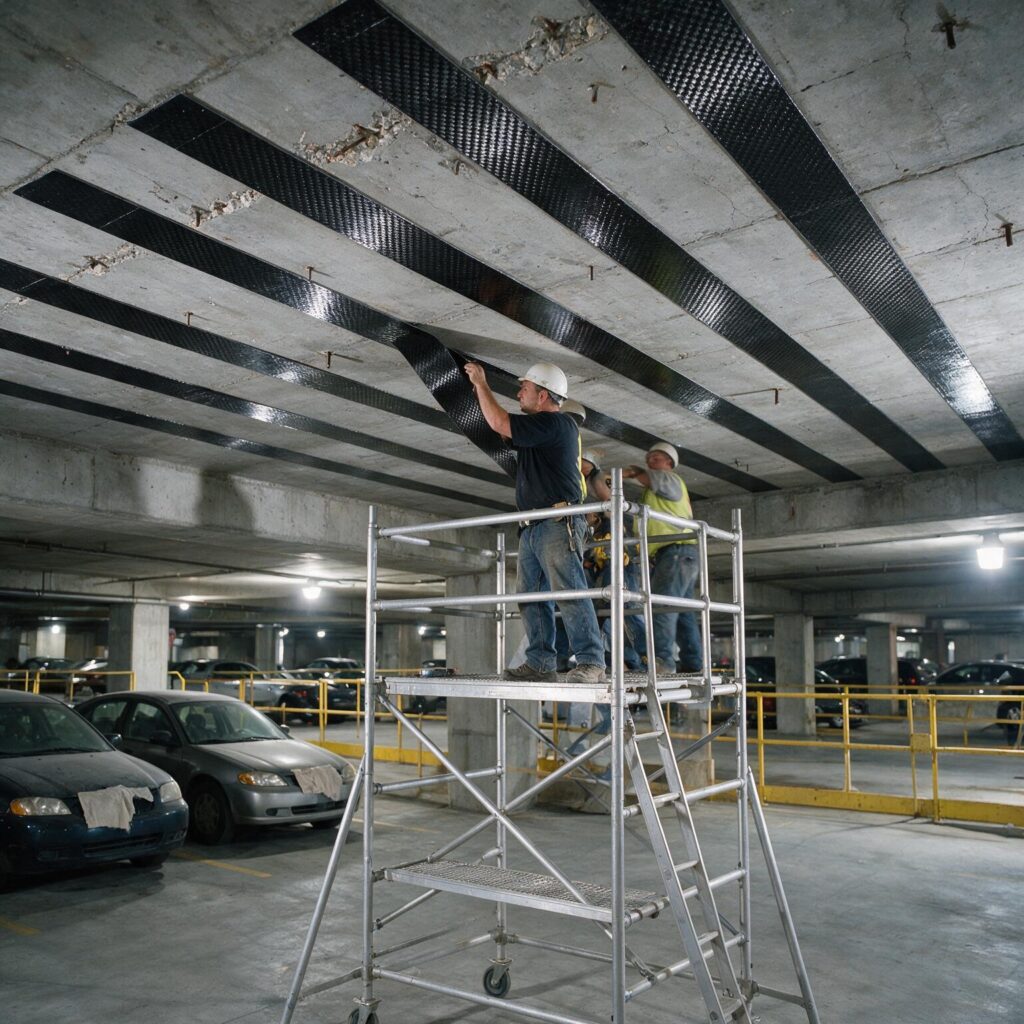
Minimal disruption and faster installation CFRP strengthening systems are typically installed by bonding laminate strips or wrapping fabric directly onto the existing structural surface. There's no heavy plant required to lift steel plates into position, and in most applications the structure can remain partially or fully in service during the work, which matters enormously on bridges, parking structures, and occupied buildings.
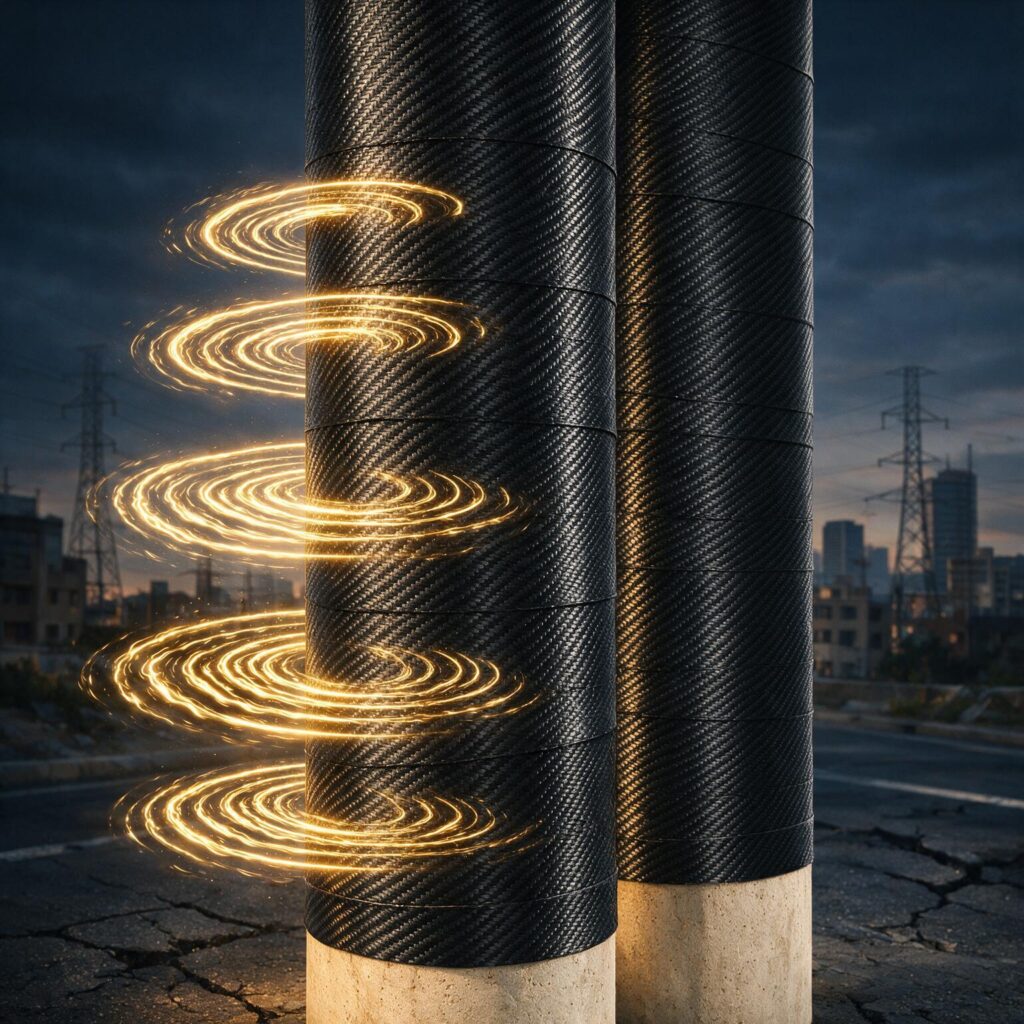
Seismic performance improvement through confinement Wrapping columns in carbon fiber fabric increases confinement, which improves ductility and shear capacity, both critical for seismic performance. This is one of the most widely used retrofit techniques for bringing older reinforced concrete columns up to current seismic design expectations without reconstructing the column itself.
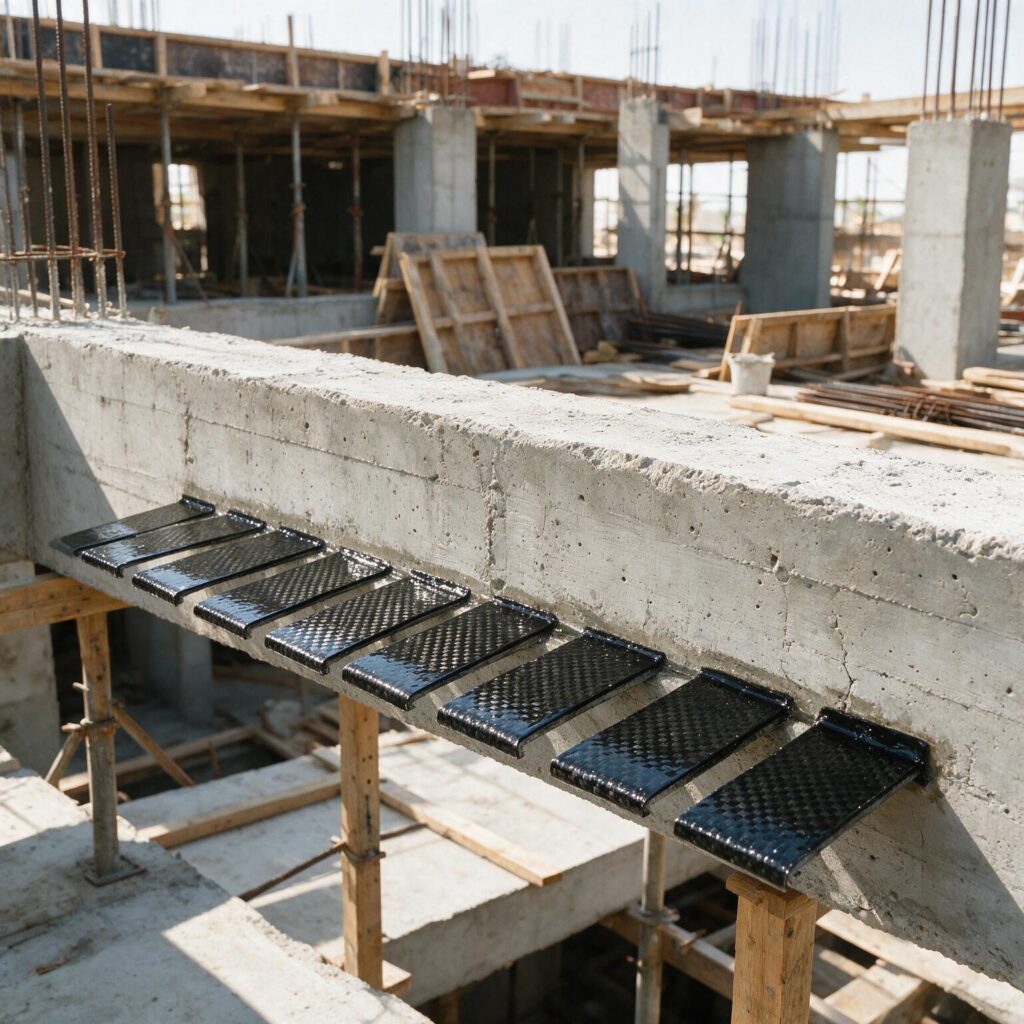
Flexural and shear strengthening for beams and slabs Externally bonded CFRP laminate strips increase the flexural capacity of beams and slabs, while near-surface mounted CFRP rods, set into grooves cut along the tension face, offer an alternative where surface bonding conditions aren't ideal or where additional protection from mechanical damage is needed.
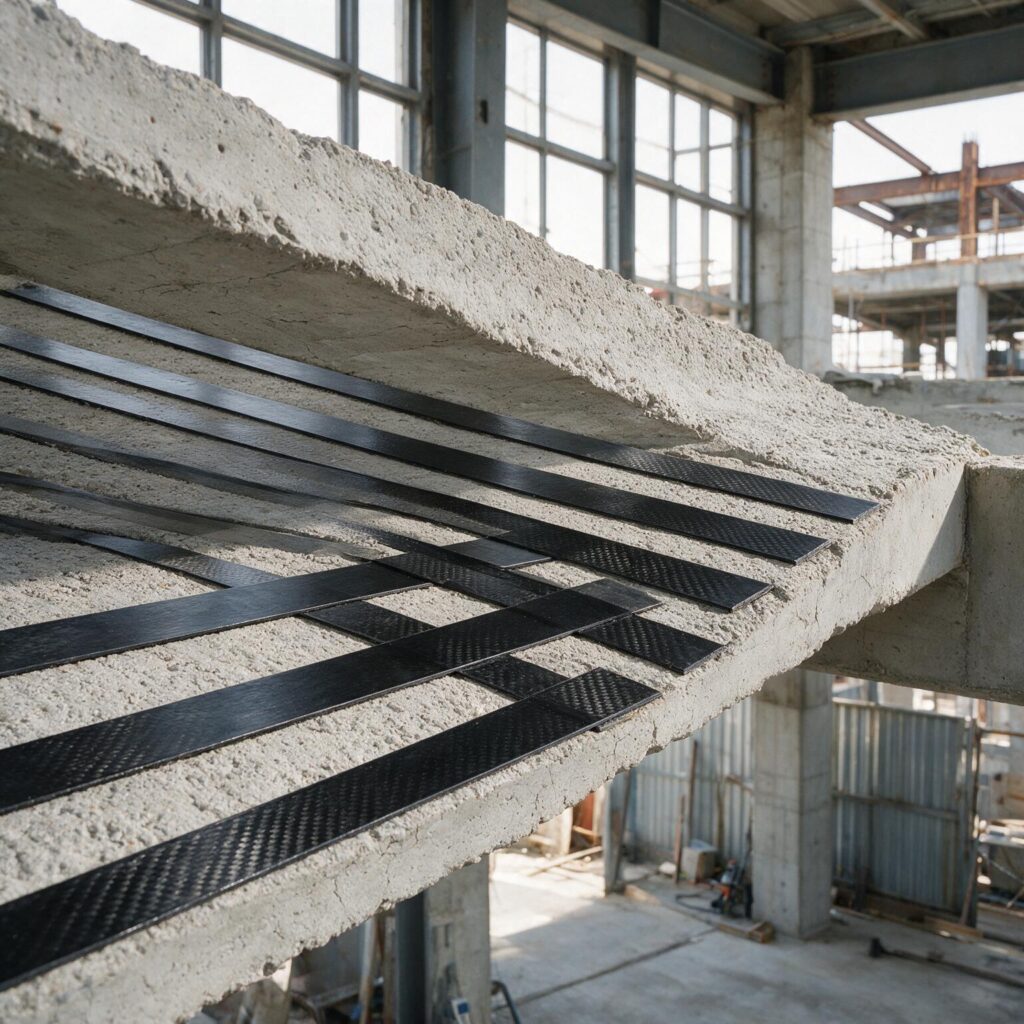
Pultruded CFRP Laminate Strips for Structural Strengthening
Pultruded CFRP Laminate Strips for Beam and Slab Strengthening Laminate strips are the primary material for externally bonded flexural strengthening of beams, slabs, and other structural elements. We manufacture pultruded strips with consistent tensile properties and dimensional accuracy along the full length, which matters for engineers designing to a specific reinforcement ratio.
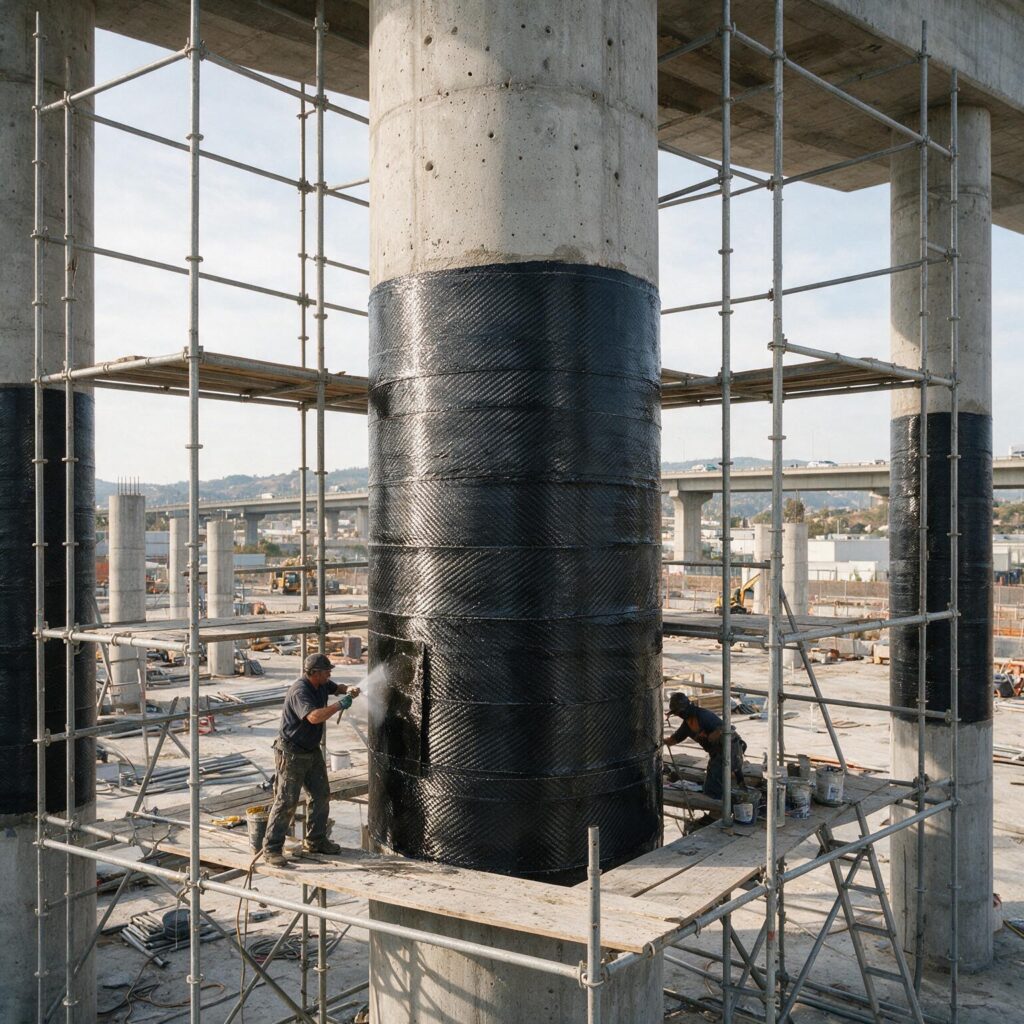
Carbon Fiber Fabric Systems for Column and Structural Wrapping
Carbon Fiber Fabric and Sheet Systems for Column and Structure Wrapping Fabric wraps are used for column confinement, seismic retrofit, and general structural wrapping applications where the reinforcement needs to conform to a curved or irregular surface. We supply fabric systems suited to wet layup application by retrofit contractors.
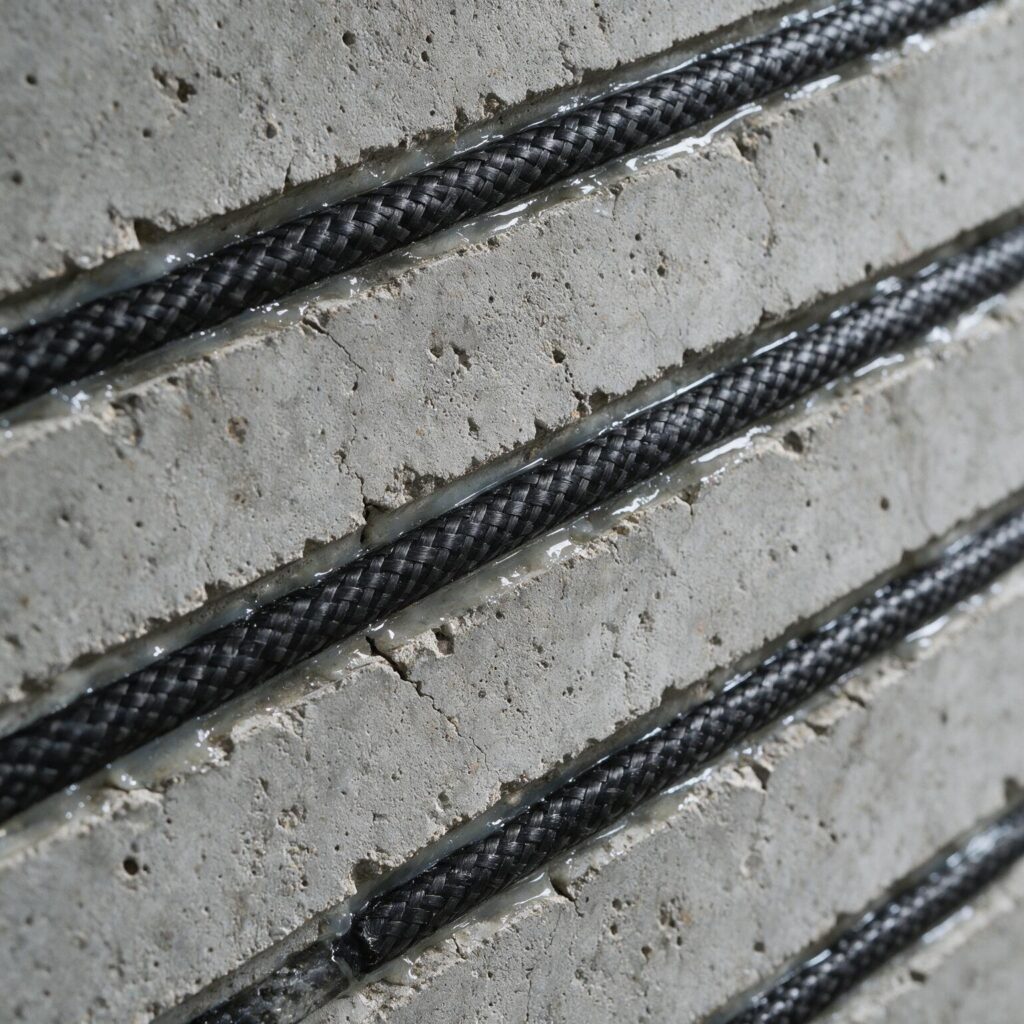
Pultruded Carbon Fiber Rods for Near-Surface Mounted Strengthening
Pultruded Carbon Fiber Rods for Near-Surface Mounted Strengthening NSM rods are set into grooves cut into the concrete cover and bonded in place, offering strengthening with better protection against fire, UV, and mechanical damage than surface-bonded systems. We manufacture rods in the diameters and mechanical grades used in NSM applications.
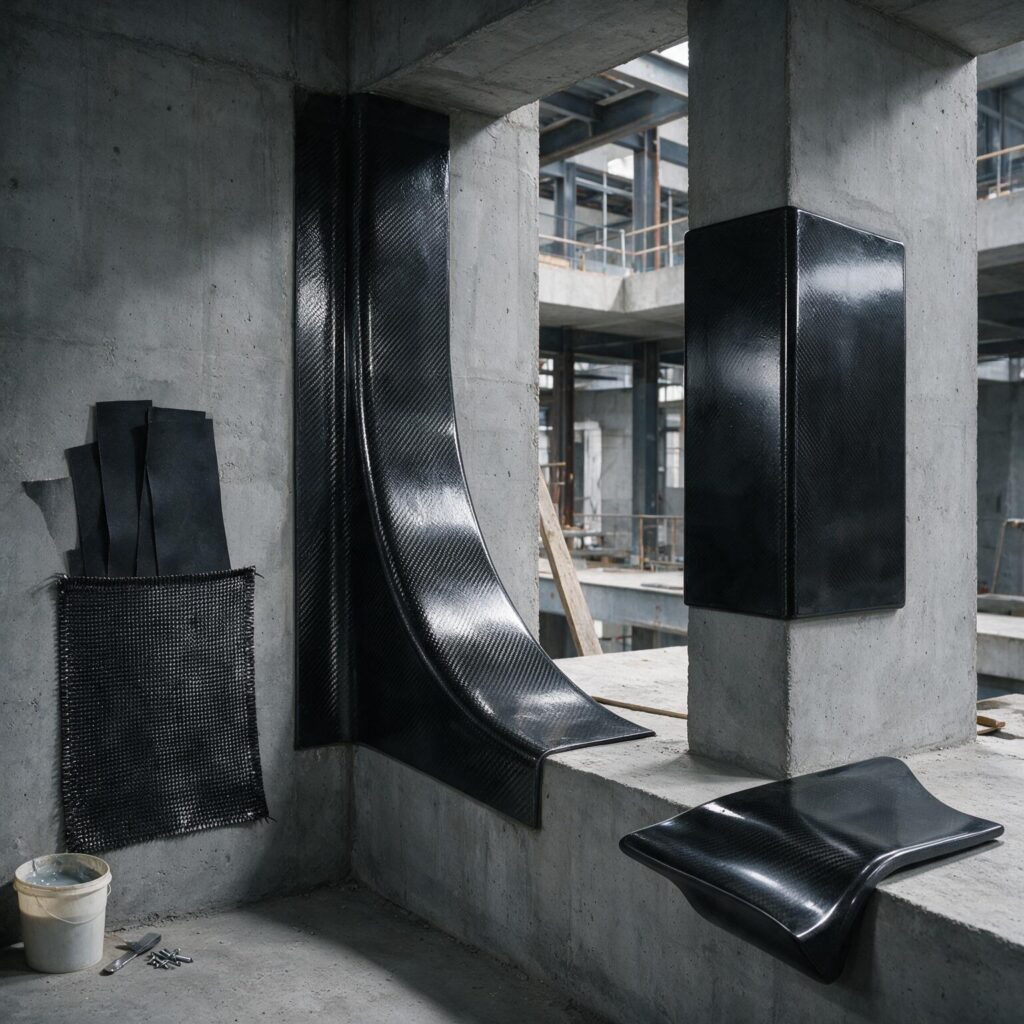
Custom CFRP Profiles for Specialist Retrofit Applications
Custom CFRP Profiles for Specialist Retrofit Applications Some retrofit projects call for non-standard profiles, whether for unusual geometries or specific structural detailing. We discuss these requirements case by case and manufacture to the engineering specification provided.